


Reducing plastic use has become an environmental and social priority. Plastic is part of our daily lives, but its excessive use generates serious pollution problems that affect the environment and human health. From single-use plastic containers to disposable bags and bottles, many of these products have a very short lifespan but take years to decompose.
At Carlett, we want to share this practical guide to help you understand why it's important to reduce plastic use, what real impact it has on the environment, and what actions you can easily take to reduce plastic in your daily life. You'll also learn about sustainable alternatives that facilitate responsible consumption, such as Carlett's reusable solutions.

The reality of plastic waste: why take action now?
Plastic production has increased exponentially in recent decades. Millions of tons of plastic are generated every year, much of it destined for single-use products. This waste often ends up as plastic debris that pollutes soils, rivers, and oceans.
Taking steps to reduce plastic use is essential to curbing this problem. Applying the principles of reduce, reuse, and recycle helps lessen the environmental impact and move toward a more sustainable and responsible consumption model.
Discover the environmental impact: years to decompose and how it affects human health
One of the most worrying aspects of plastic is the time it takes to degrade. Many plastic containers and bags can take between 100 and 500 years to decompose, as they fragment into microplastics that remain in the environment for generations.
These microplastics end up in food and drinking water, posing a potential risk to human health. The accumulation of plastics in the environment not only affects biodiversity but also people, since some materials contain harmful chemicals.
Reducing plastic consumption is, therefore, a direct way to protect both the planet and the health of its inhabitants.
The Problem of Plastic Packaging and Its Lifespan
Plastic packaging is responsible for a large portion of the plastic waste generated daily. Plastic bottles, trays, wrappers, and bags are used for minutes but remain in the environment for decades.
Although recycling is an option, many containers are not recycled properly or can only be reused a limited number of times. This makes reducing the use of plastic packaging one of the most effective actions to minimize pollution.
Choosing reusable products with a longer lifespan allows us to reduce waste at the source and prevent plastic from becoming a long-term problem.

What You Should Know About Plastic Use and Pollution in Numbers
Around 430–460 million tons of plastic are produced worldwide each year (United Nations), of which only 9–10% is recycled. These figures reflect the magnitude of the problem. Millions of tons of plastic are produced worldwide each year, a significant portion of which comes from plastic bags, bottles, and single-use packaging. Much of this waste ends up in landfills or the natural environment.
Approximately 8–11 million tons of plastic end up in the oceans each year (Surfer Against Sewage). There, plastic waste accumulates and severely impacts marine life. These figures underscore the need to adopt measures to reduce plastic consumption and change consumption habits, both individually and collectively.
What actions can you take in your daily life to reduce its use?
Reducing plastic use doesn't require huge sacrifices, but rather small, sustained changes over time. There are many ways to reduce plastic that you can do at home, in your daily shopping, and in your everyday consumption.
10 tips to reduce plastic in your daily life
Here's a list of alternatives to reduce plastic use:
- Use cloth or reusable bags instead of plastic bags every time you shop. Check out Carlett accessories for your shopping.
- Avoid single-use plastic bottles and opt for reusable bottles for water and drinks.
- Buy fruit and vegetables in bulk using reusable bags to reduce the use of plastic packaging. Did you already know about the Eco Bag Packs?
- Prioritize products with recyclable packaging or with less plastic in their packaging.
- Replace plastic containers with longer-lasting reusable containers for storing food.
- Apply the principles of reduce, reuse, and recycle to minimize unnecessary consumption.
- Use a shopping trolley to accompany you every day to buy everything you need.
- Reuse bags, containers, and packaging whenever possible before throwing them away.
- Plan your shopping to avoid impulse purchases that generate more plastic waste.
- Choose sustainable and durable solutions that help reduce plastic waste at home.
You may be interested in: Reduce food waste with more responsible shopping.

Discover how Carlett is the ideal alternative for responsible consumption
One of the times when the most plastic is consumed is during shopping. Plastic bags, containers, and packaging are still commonplace, even though much more responsible alternatives exist.
At Carlett, we offer solutions designed to reduce everyday plastic use, thanks to our commitment to reusable, durable, and practical products. These alternatives make implementing sustainable practices easy and hassle-free.
Carlett Shopping Trolleys: Say Goodbye to Single-Use Plastic Bags
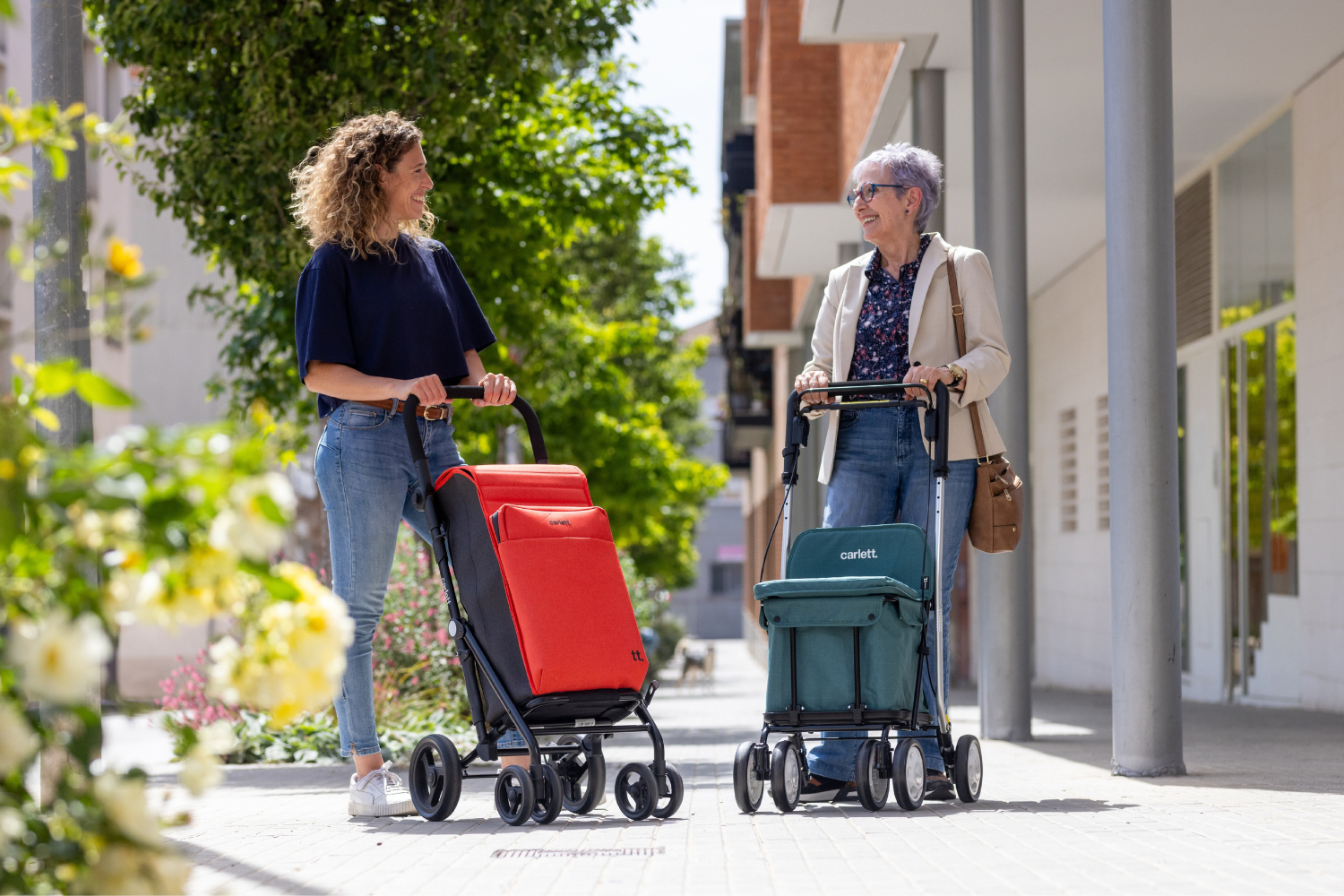
Carlett shopping carts significantly reduce the consumption of plastic bags. By using a reusable cart, you avoid the constant use of disposable bags with every purchase.
In addition to being a sustainable option, shopping carts offer convenience, durability, and a long lifespan. Incorporating this type of product is one of the most effective and simple ways to reduce plastic in your daily routine.
Find your ideal shopping trolley.

Carlett Fruit and Vegetable Bags: The Perfect Solution
Plastic bags for fruit and vegetables generate a large amount of waste every day. Carlett reusable bags allow you to buy in bulk without creating unnecessary waste.
These bags replace hundreds of plastic bags over their lifespan and facilitate more conscious consumption. They also help reduce the use of plastic packaging during one of the most common shopping trips.
Carlett Reusable Silicone Bags: Versatility and Longevity
Carlett reusable silicone bags are a durable alternative to traditional plastic containers and bags. Thanks to their versatility, they can be used to store food, transport products, or preserve food.
Silicone is a safe, resistant, and reusable material, allowing you to reduce plastic consumption and minimize plastic waste at home. Their long lifespan makes them an efficient and sustainable option.

Tu impacto cuenta: toma medidas hoy para un futuro sin contaminación plástica
Reducir el uso de plásticos es una responsabilidad compartida. Cada decisión de consumo influye en la cantidad de residuos que se generan y en el impacto ambiental que dejamos. Aplicar medidas para reducir el plástico, como elegir productos reutilizables y evitar envases innecesarios, marca una diferencia real.
Adoptar alternativas sostenibles, como las soluciones de Carlett, facilita la transición hacia un consumo más responsable. Reducir, reutilizar y reciclar no solo ayuda a disminuir la contaminación, sino que también contribuye a proteger la salud humana y el entorno natural.
El cambio empieza hoy, con pequeños gestos que, sumados, construyen un futuro con menos plásticos y más sostenibilidad.



Leave a comment
All comments are moderated before being published.
This site is protected by hCaptcha and the hCaptcha Privacy Policy and Terms of Service apply.