

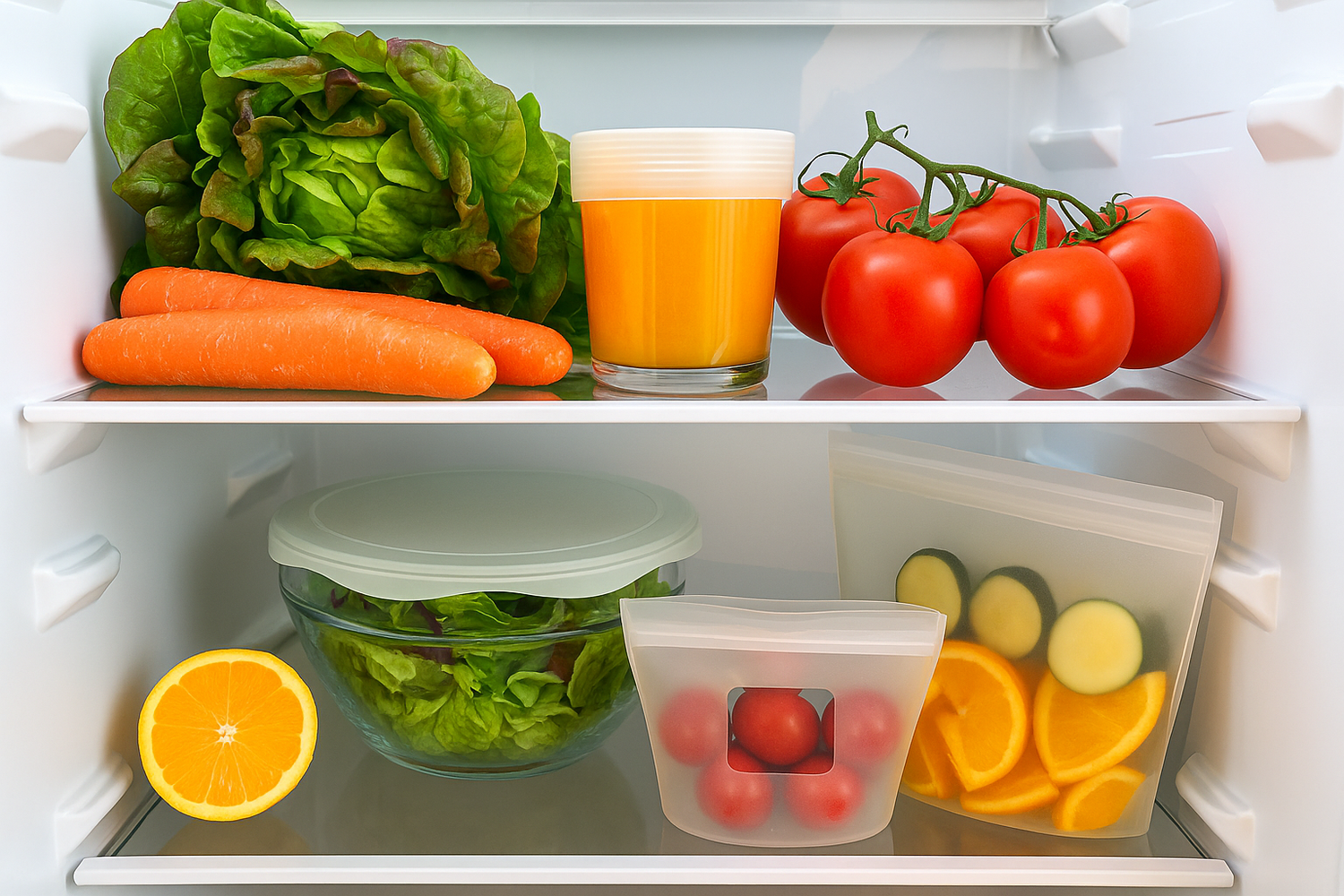
Keeping fruits and vegetables fresh for longer is crucial to avoid food waste. Knowing tips for maintaining their freshness and optimal condition is key to preventing them from spoiling quickly. Sometimes, a small detail in how we store them can make the difference between a juicy piece of fruit and one that ends up in the trash.
At Carlett, we understand how important it is to take care of these foods, not only to save money but also to enjoy the flavor and quality you deserve. That's why we've put together a practical guide to help you keep your fruits and vegetables fresh for as long as possible.

Why is it essential to properly store fruits and vegetables?
When fruits and vegetables lose their freshness, they not only change their flavor and texture, but they also lose valuable nutrients. Furthermore, spoilage can attract bacteria and mold that affect health.
Properly storing your fruits and vegetables helps prevent waste, meaning your groceries last longer and you reduce your environmental impact. In addition, good storage keeps that aroma and flavor you enjoy intact.
Taking care of these foods is a simple way to:
- Save money by avoiding food waste
- Maintain a healthier diet
- Always enjoy fresh and delicious produce.
How to store fruits and vegetables with Carlett?
The way we store and keep food greatly influences its shelf life. That's why we've designed a line of accessories to help you store fruits and vegetables simply and effectively.
Our products are not only functional, but also sustainable and reusable, ideal for those seeking a more practical and responsible kitchen.
Discover the ideal silicone bags and lids for extending the freshness of your food
The reusable silicone bags and adjustable silicone lids we've designed at Carlett fit your fruits and vegetables perfectly, creating an airtight seal that protects against air and excess moisture—two major enemies of freshness.
Furthermore, being flexible and reusable, they are a perfect replacement for single-use plastic. Their design makes them easy to store in both the refrigerator and the pantry.
Using them is as simple as cutting or preparing your fruit or vegetables: you can place the silicone lid on the container, directly on the fruit, or inside the silicone bag; then, simply store it in the appropriate place depending on the type of food. This simple step helps maintain the texture, color, and flavor for extra days without the need for preservatives.
Find your kitchen accessories right here

Key Factors for Preserving Fruits and Vegetables Longer
Beyond temperature, several factors influence how these foods are preserved. By paying attention, you can maximize their freshness.
- Humidity is fundamental: maintaining an adequate level prevents fruits from drying out or vegetables from rotting due to excess water.
- Light also plays an important role, as direct exposure can accelerate the ripening and spoilage process.
- Ventilation is another point to consider, since some foods need air to breathe, while others require a more enclosed environment. Let's go into more detail:
Appropriate Temperature for Storing Fruits and Vegetables
Although each food has its ideal temperature, in general, most fruits and vegetables should be kept fresh between 4°C and 10°C. Tropical fruits, such as bananas or pineapples, prefer slightly warmer temperatures to avoid chilling injury.
The important thing is to avoid sudden temperature changes, which can cause condensation and accelerate spoilage.
Proper Storage and Natural Preservation
Preserving fruits and vegetables doesn't always mean putting them in the refrigerator. There are natural tricks that can make a big difference in how long these foods last. For example, wrapping certain vegetables in absorbent paper is a simple but effective technique that helps control humidity, preventing them from rotting quickly or becoming mushy. Also, fresh herbs, instead of being stored in airtight bags, keep better if you place them in a glass of water, almost like a bouquet of flowers. Covering them lightly with a bag allows them to retain moisture without suffocating.

One detail that is often overlooked is the importance of separating fruits that produce ethylene gas, such as apples, from those that are more sensitive to this gas. Ethylene is a natural hormone that accelerates ripening and can cause other nearby foods to spoil faster. Therefore, keeping them separate, either in different drawers or areas of the refrigerator, helps preserve them better.
Finally, organization is key. Having clear spaces designated for each type of food, whether in the refrigerator or in the pantry, facilitates control and prevents some products from being forgotten and spoiling without us noticing.
How to Prevent Moisture and Mold Buildup
Excess moisture is a real enemy when it comes to preserving fruits and vegetables.
Too much water creates a perfect environment for mold and mildew to grow, quickly spoiling food. Therefore, a golden rule is to avoid washing fruits and vegetables before storing them. Ideally, wash them just before eating them to avoid adding unnecessary moisture that promotes spoilage.
Tips for Preserving Cut Fruit Without Oxidation
Who hasn't cut an apple or pear only to have it turn brown within minutes? Oxidation is a natural process, but we can slow it down with these tricks:
- Use lemon or orange juice to cover the cut fruit and delay contact with the air.
- Store fruit in airtight containers with Carlett silicone lids, which limit oxygen entry.
- Keep fruit refrigerated and eat it within one or two days to preserve flavor and texture.
This way, you'll have fresh, delicious fruit ready to eat whenever you want it.
Extra tips to keep your fruits and vegetables fresh longer
Small details make a big difference when we want our fruits and vegetables to last longer. For example, don't indiscriminately mix products that ripen at very different rates. If you put fast-ripening fruits together with more resistant ones, the former can accelerate the spoilage of the latter.
Keeping the refrigerator clean also plays a key role. Likewise, the correct placement inside the refrigerator influences freshness: vegetables tend to keep better in the crisper drawers, where humidity is better regulated, while fruits prefer shelves with constant temperatures and no drafts.
Another very practical tip is to plan your shopping trips so you don't accumulate excessive amounts of fruits and vegetables that you won't consume soon. Buying in small quantities ensures you're always consuming fresh produce and prevents waste.
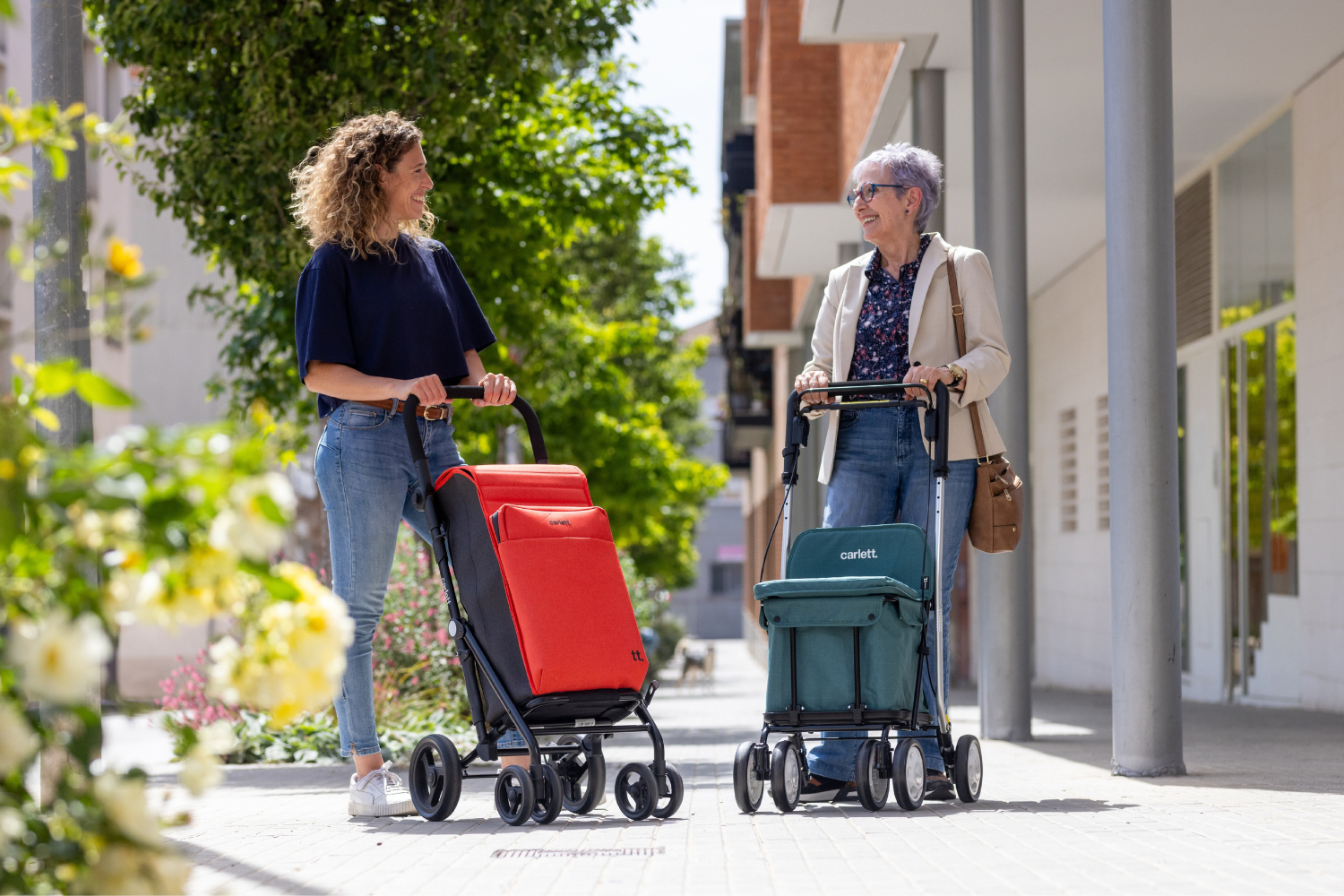
We have the perfect shopping carts for your weekly shopping.
Remember that at Carlett we have the perfect kitchen accessories to keep your fruits and vegetables fresh and ready to eat. Join the sustainable shopping movement with Carlett!




Leave a comment
All comments are moderated before being published.
This site is protected by hCaptcha and the hCaptcha Privacy Policy and Terms of Service apply.